Introduction
Water issues in the basement are a problem that plagues millions of homeowners particularly after a heavy rainfall when the flowing water enters the basement through the cracks on the foundations and flooding drainage systems. These problems pose a threat to the structural integrity of your home and pose health risks in terms of the development of moulds.
Nevertheless, neglecting the problem of basement water results in costly structural repairs, lost property and hazardous indoor air quality that impacts the health of your family. Minor problems are minimized by their early detection and suitable repairs before they turn into major disasters.
Tri-State Waterproofing is a company that assists homeowners in Georgia, North Carolina, and South Carolina to address their basement issues with effective methods of waterproofing basements so as to save their homes and maintain their property values.
What Are the Problems of Basement Water?
The issues with basement water arise when water gets into your basement due to the seepage through the walls of your foundation, the floors, or the seepage between various building materials. This penetration causes wetness that spoils the goods that have been stored and encourages the growth of molds.
Such cases as water seeping in the basement during heavy rains, standing water on basement floors, and excess dampness creating musty smells all over your home are common.
When it rains, the basement fills up meaning that there is something wrong with the drainage system or the foundation that lets the water into the basement during rainy seasons. The issues are aggravated with time, and there is no professional intervention.
Water destruction in the basement does not only influence what is stored in the basement but also structural structures such as floor joists, subflooring and foundation walls that hold the rest of your home.

Examples of Why Basement Water Can Be a Problem
Poor Exterior Drainage
The presence of water around your base results in hydrostatic pressure which forces water through basement walls and floors. Poor grading causes the rain water to flow in the direction of your residence rather than out.
Blocked guttering and down-pipes pour water right onto the walls of the foundations. This focused water drainage flooding overwhelms the drainage systems and brings about the condition of foundation leakages.
Poor drainage in the yard will lead to accumulation of water around the house. The foundation materials are ultimately penetrated by standing water.
Cracks and Deterioration of Foundation
The minor cracks in the foundation wall widen as time passes by, hence letting in water through the basement floor and walls. Opening of these pathways occurs because of the stresses that arise due to alterations in temperature and movement of soil.
Fixing foundation cracks is done in cases where the cracks can permit the entry of water. Even the cracks in the hairline can allow much moisture to permeate during rain.
Old foundation materials lose their ability to be waterproof. Mortar joints wear off and concrete becomes porous and gives access to water.
Hydrostatic Pressure
Water is driven through basement walls and floors by pressure put on the soil around your foundation which is saturated. This pressure is picked up in wet seasons and heavy rainfalls.
Hydrostatic pressure that is greater than the resistance of the foundation usually leads to the leaking problems of the basement walls. Water has the least resistance when it moves through cracks and joints.
Soil drainage should not be poor around your home as it enhances hydrostatic pressure. Clay soils are more adamant, and they can be under incessant pressure on the foundation walls.
Plumbing and Mechanical Problems
The water leak in the basement may be caused by the plumbing failures or water heater malfunctions, or the condensation of the HVAC system. These internal sources cause moisture that enhances the growth of molds.
Leakage or burst pipes fill the basement soon. Emergency repairs will avoid massive damages but the moisture problems might still be there.
Poor ventilation entraps moisture from different sources. Ineffective circulation of air enables moisture to build up and condense on the surfaces that are cold.
Red Flags of Water Issues in the Basement
Visible Water and Moisture
Wet basement conditions involve standing or puddled water, damp walls, and water stains, which depict the occurrence of active or recent moisture-infiltration. These are the indicators that need urgent response.
When the water collects in puddles on the basement floors following a rain, it indicates drainage or foundation leakage. Entrances of water can be hidden.
When walls and pipes become condensated, this is a sign that there are high levels of moisture that facilitates the growth of molds and corrosion of materials.
Structural Damage Indicators
Cracks on foundation walls indicate structural movement which may open routes to allow water to penetrate inside the building. Repair of foundation walls takes care of structural and waterproofing issues.
The efflorescence is white and chalky, which is observed on the basement walls. These deposits of minerals are showing water flow using masonry materials.
Curved or protruding walls are an indication of severe structural issues, which need urgent professional consultation and foundation repair of the leaks.
Mold and Air Quality Issues
Sticky odors are signs of a presence of molds in the more obscure places that have stagnant water. These organisms pose health risks and destroy the building materials.
The presence of visible molds on walls, floors, or stored materials is an indicator of the existence of persistent moisture issues that put the quality of indoor air at risk.
Mold in the basement could be caused by water in the basement and result in increased allergy symptoms or breathing problems.
Property Damage
It is water that is demonstrated by damaged stored goods such as furniture, documents, and personal belongings that are exposed to the threat of being damaged.
Cardboard water damage and rust on metal objects indicate the presence of moisture, which permeates all items as they are kept in the basement.
Deteriorated materials and warped wood demonstrate long-term exposure to moisture, which undermines the structure.
How to Reform Basement Water Problems
Improve Exterior Drainage
Water to your foundation should be diverted by means of proper grading. The slope of soil in the area near your house should be downward to allow the water to run off and not to collect around the walls of the basement.
Maintaining gutters and downspouts will guarantee that the rain water does not protect your foundation. Extensions are used to spray water at least six feet around the edges of your house.
The French drains and other drainage systems use the groundwater and redirect it off your foundation before it exerts pressure on the basement walls.
Seal Foundation Cracks
Repair of foundation crack averts entry of water through the damaged spots. Professional mechanisms of sealing are used to seal both the active leaks and possible failure locations.
The injection techniques are used to inject the cracks with water-proofing material which swells to form permanent seals. The repairs are effective in keeping the water out and still retaining the structure.
Surface coating covers small cracks and offers more protection against water infiltration through foundation material.
Interior Waterproofing Solutions
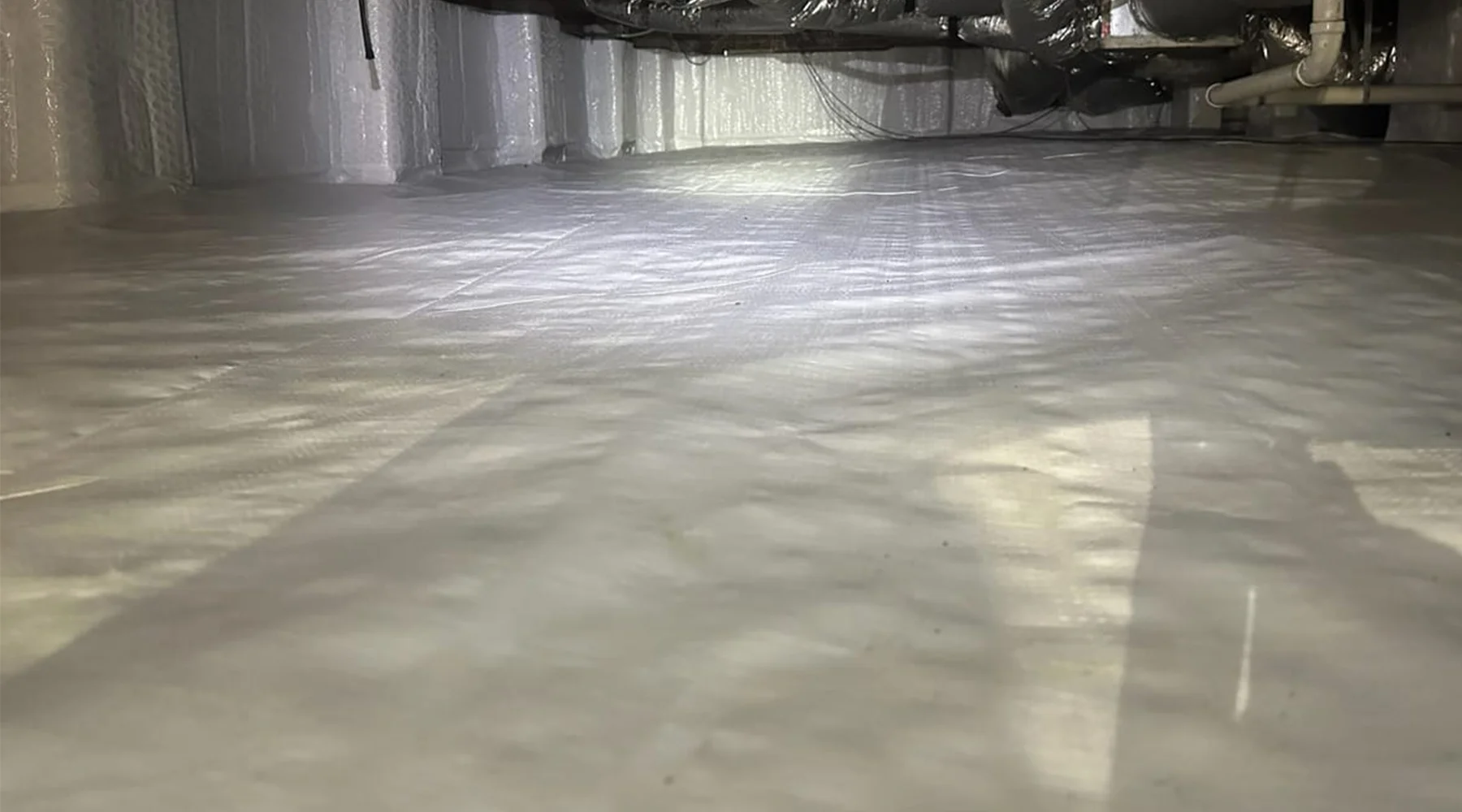
The systems of waterproofing the basement collect and redirect the water penetrating through the foundation walls or floors. These systems handle water as opposed to attempting to keep it out.
Installation of sump pumps eliminates water that collects in the basement levels. In case of heavy rains, automatic systems are started to avoid flooding.
Moisture transmission in the foundation material through the use of vapor barriers placed on walls and floors. These obstacles make indoor environments healthier.
Repairs of a Professional Character
Leaking foundation repair is done to fix structural issues which permit water intrusion. The waterproofing and structural integrity can be guaranteed through professional repair.
Repair of foundation walls stabilizes the damaged areas and undertakes measures to waterproof the walls. Root Cause Comprehensive repairs are done instead of treating symptoms.
The techniques of underpinning and reinforcing enhance the foundations and make them more resistant to water infiltration.

Avoiding Future Basement Water Problems
Regular Maintenance
The problems that may occur are detected during the annual foundation inspections before the water intrusion may take place. Repairs on the emergency are costly, which are prevented through early detection.
Gutter cleaning and maintenance are done to ensure water does not flow around your foundation. Obstructed systems result in water pooling which poses a danger to basement spaces.
Landscape maintenance involves proper grading and drainage that will push the water off the foundation of your home.
Moisture Control
Basement ventilation helps to decrease the humidity that causes the growth of molds and the erosion of the materials. Healthier conditions are ensured by proper air circulation.
Dehumidifiers regulate humidity in the basement. Such systems do not allow condensation and minimize the possibility of growing mold.
Appropriate storage methods ensure that goods do not get damaged due to moisture. Valuable items are preserved in high waterproof and storage containers.
Professional Monitoring
Periodic checkups by the professionals also detect emerging issues early enough before they can cause much harm. The professional assessment identifies the problems that a homeowner may overlook.
The maintenance of waterproofing systems will keep the systems resistant to water seep. The system is effective through professional service.
Repairs and maintenance records help in insuring and keeping the value of properties.
Two Situations When to Call Tri-State Waterproofing
When the water enters the basement during torrential downpours, one will have to call a professional at once in order to avoid the risk of structural damage and mold development.
The occurrence of water problems in the basement even after making some attempts to fix the problem is a sign of underlying problems that require the diagnosis of an expert and holistic solutions.
Problems of foundation leak that involve various regions indicate systematic problems that demand the use of professional systems of water proofing.
Major emergencies such as flooding or collapsing of structures require urgent professional attention to reduce destruction and first secure safety.
Conclusion
Basement water problems threaten your home’s structural integrity and your family’s health through mold growth and indoor air quality issues. Professional solutions address root causes rather than temporary fixes.
Early intervention prevents minor moisture issues from becoming major structural problems that require extensive repairs and renovation.
Contact Tri-State Waterproofing today for expert evaluation and proven solutions that protect your home from basement water issues while preserving your property’s value and your family’s safety.
FAQ’S
How do I stop water from getting in my basement?
Fix exterior grading and gutters, seal foundation cracks, and install interior drains or a sump pump if leaks keep coming back.
How do I solve basement moisture problems?
Improve drainage outside, add interior waterproofing or vapor barriers, and use a dehumidifier and ventilation to keep humidity low.
Can living in a basement cause health problems?
Yes, a damp basement can lead to mold and poor air quality, which may trigger allergies, asthma, and other breathing issues.
What are signs of poor basement drainage?
Water stains, puddles after rain, musty odors, mold, efflorescence, and cracked or bowing walls all point to drainage problems.
What can I put in my basement to absorb water?
Use desiccants or a dehumidifier for minor moisture, but fix drainage and waterproofing for lasting protection instead of relying on absorbent products alone.